A common papercut in a Wayland session is entries in the task manager showing a generic Wayland icon instead of the proper application icon. Here’s a KWallet window having a generic icon in the task manager (on the right):

This is due to the shell not being able to properly map a window to an application. This breaks more things than just icons, but those are often the first thing that is noticed. Fortunately this is usually very easy to fix, particularly for Qt/KDE apps. I fixed a couple of those over the holidays and now I am writing down what needs to be done so you know what to do the next time you encounter such a case.
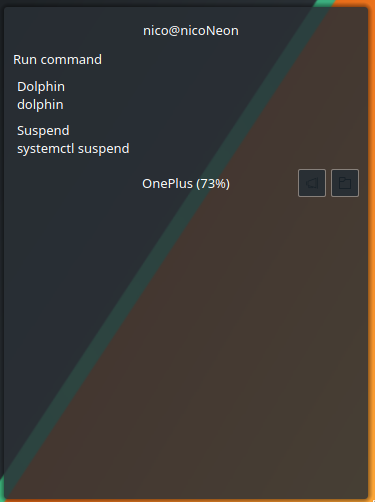
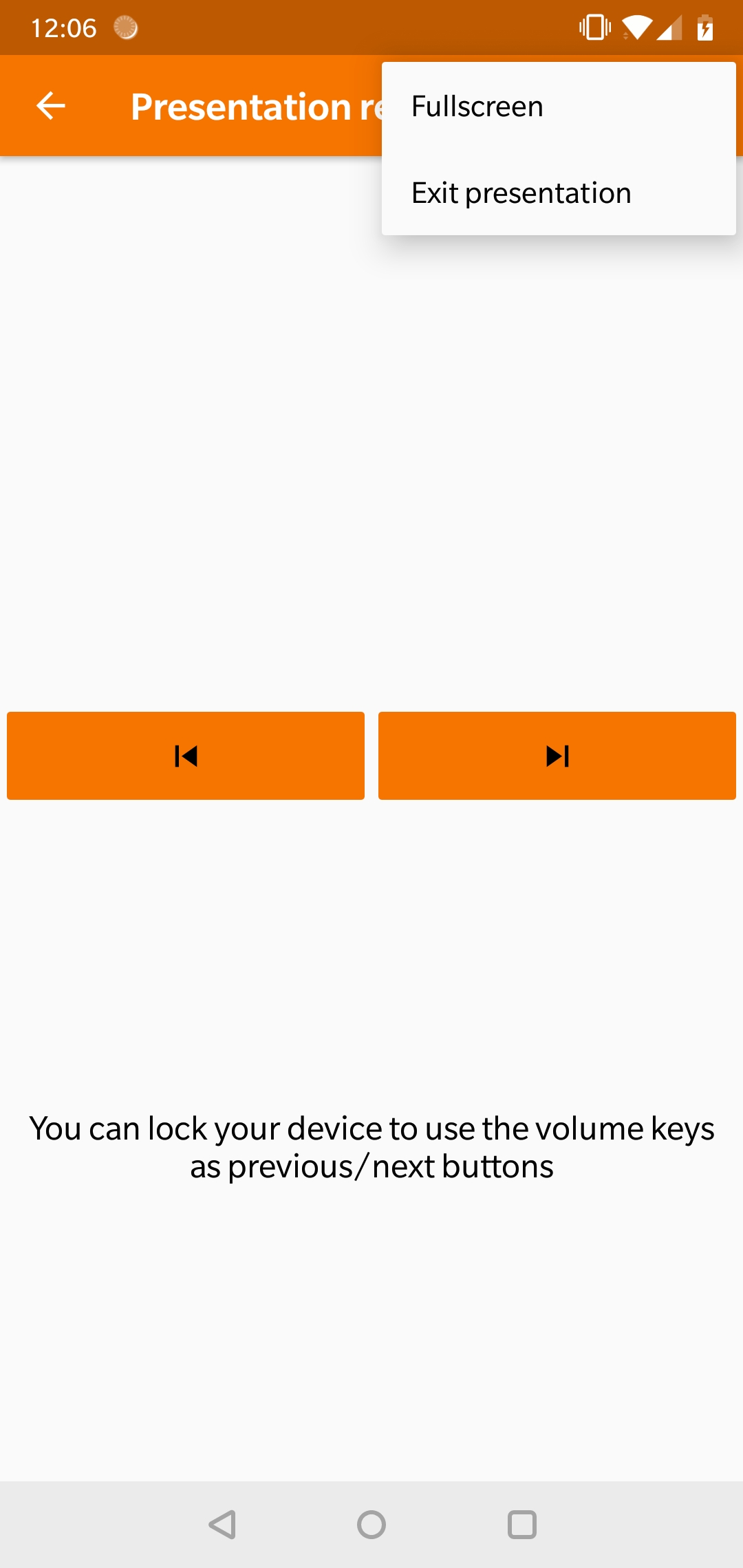 As I’ve mentioned before it is quite hard to find the settings where you can define your commands for the Run Command feature. The command list on Android now has a button that opens the appropriate settings on the desktop. Ivan Čukić added a few useful command suggestions to the menu. Friedrich Kossebau added support for a “Find my PC” plugin. You might wonder now how often he loses his PC, but it also helps finding other devices that run the C++ version of KDE Connect, such as Plasma Mobile and SailfishOS devices. I added support for triggering it on the Android side. Following a request on Reddit I added a dedicated Stop button to the media controller. Chansol Yang made sure that the pointer speed when controlling the mouse from the phone is the same across Android devices with various DPIs. Philip Cohn-Cort added the much requested dark theme option to Android.
  You can now use special URLs to trigger commands on connected devices. The urls have the form kdeconnect://runcommand//. As those are quite complex I added a helper for it. You can copy an URL to the clipboard by long-pressing a command in the command list. You can write those URLs into a NFC tag to trigger the command when your phone reads the tag or use it to integrate with services such as Tasker. The